Bat Removal & Exclusion in Willoughby, OH
Evening clouds of wings spilling from a gable at dusk, watched from a porch a few streets from the river? Willoughby big browns hunt the Chagrin corridor all night and come home to the tallest, quietest attics in town. Call us and tell us about the job — we will confirm the local crew for your county before any work starts.
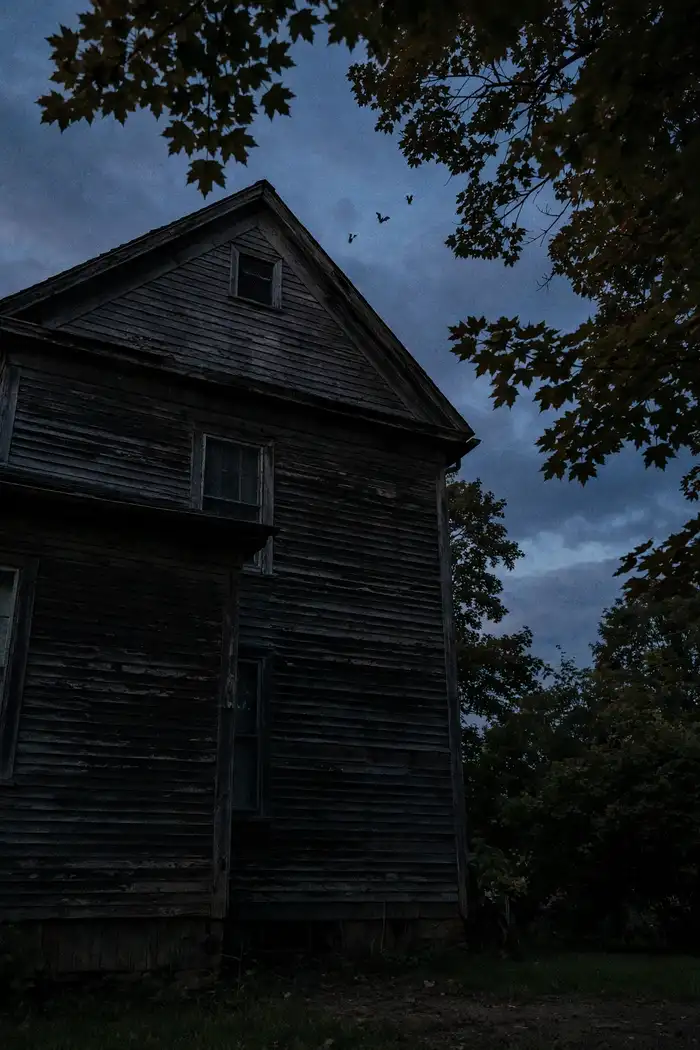
Bats in your Willoughby home
Follow a Willoughby bat at dusk and its commute explains the whole local pattern. Out of a gable vent or a cornice gap it drops, crosses two backyards, and reaches the Chagrin River in under a minute — open water crowded with emerging insects, tree lines rich with moths, and a dark corridor to hunt along until dawn. Colonies choose attics within easy reach of that larder, which is why streets near the river and its ravines produce a disproportionate share of the town's bat calls.
The roost itself is almost always a big brown colony in a high, under-visited attic: steep-pitched roofs over older in-town homes, knee-walled storage nooks, and long ridge lines where summer heat gathers. Some of those same spaces, uninsulated and draughty in the old-fashioned way, stay cold and undisturbed enough in winter for hibernating individuals to remain tucked behind beams while the household below notices nothing at all.
Why river-adjacent attics fill first — and fill again if sealing is thin
Proximity to hunting water shortens a nursing mother's nightly commute, so a maternity colony rates a river-near attic above an identical attic a mile inland. That preference has a practical consequence for exclusion work: pressure to re-enter is higher here, because the location itself is prime. Every secondary gap — a lifted shingle tab, a gap at a soil stack, a warped attic hatch — must be closed with the same care as the main exit, or the colony simply adopts the backup door the following night.
Sleeping through a Lake County winter behind knee walls and chimneys
Hibernating big browns in Willoughby turn up in unglamorous places: the cold side of a chimney breast inside the attic, a hollow behind a knee wall in a finished upstairs, a cluster in the angle where rafters meet above a stairwell. They hang motionless, metabolism throttled down, and they are easy to miss with a casual torch sweep because a folded bat reads as a shadow or a knot in the wood. A winter visit therefore moves slowly, checks the cold structures deliberately, and treats any confirmed sleeper as a reason to postpone sealing — not as an obstacle to work around.
Cornices, frieze boards and other historic entry architecture
Older Willoughby houses wear layers of exterior trim that newer construction omits: cornice mouldings, frieze boards, decorative brackets, boxed eaves. Each layer is a shadow gap, and paint shrinkage over decades opens slots long enough for a bat to slip through sideways. Entries cluster where trim meets masonry — beside chimneys, at dormer cheeks, along porch ceilings that adjoin the main wall. Staining, polished by fur oil at heavily used slots, and a faint chittering on warm afternoons help crews rank which of a dozen pretty gaps are actually doors.
The legal calendar, told from the colony side
Ohio protects two vulnerable seasons. From May 16 to July 31, when a roost holds five or more animals, exclusion must wait because that summer's pups cling in the attic unable to fly — removing the mothers would strand them. From October 15 to March 31 exclusion must also wait, because sleepers may be inside and too torpid to use an exit even if one is provided; both closures yield only to prior written ODNR permission. Work therefore concentrates in April 1 to May 15, before pups arrive, and August 1 to October 15, after youngsters are airborne but before hibernation settles in. Booking an inspection during a closed stretch is how a house gets first in line when its window opens.
Emergence counts and the choreography of exclusion night
A good exclusion starts after sunset, not on the roof. Observers watch each elevation and tally animals leaving, which sizes the colony, confirms the active corners and sometimes reveals a second exit nobody spotted in daylight. Only then, inside a lawful window, are secondary gaps sealed and netting or valves mounted over the proven exits. Bats depart to hunt the river, find their return blocked, and relocate to a tree or a bat house over the following nights. A confirmatory dusk watch with zero emergences — plus a quiet attic check — earns the right to strip the devices and seal the final slots permanently.
A bat in a bedroom, droppings on a stored quilt: handling the indoor side
Juvenile bats in August blunder indoors most often, squeezing under a door from an attic hatch or dropping down a chimney void into a parlor. Keep the room's door shut, open an exterior window if the room has one, darken the space and give the animal time and quiet to find its way out — chasing it with a broom prolongs the visit. Because bats lead Ohio's confirmed rabies tallies, anyone who woke to a bat in the room should seek medical advice promptly rather than shrugging it off. Below the roost, droppings peppering stored items should be treated as contaminated: no dry sweeping, no bare hands, and a proper clean-up plan discussed alongside exclusion rather than as an afterthought.
Common bat questions in Willoughby
We counted dozens of bats leaving our gable — is that normal for Willoughby?+
Our attic was quiet all winter — does that rule out hibernating bats?+
Can we put up a bat house and skip exclusion?+
What happens if we found bats in late July — how long is the wait?+
How much does bat removal cost in Willoughby?+
Other Willoughby problems that come with bats
Our wildlife crew handles these closely related problems — the ones that most often turn up with a bat issue.
Got more than bats in Willoughby?
Historic trim, cornice returns and chimney joints that admit bats usually admit weather and insects too — one careful sealing pass improves the whole envelope. See everything we handle locally on the Willoughby wildlife removal hub, or jump to Ohio wildlife removal.
Serving all of Lake County
Willoughby is one part of Lake County. See wildlife removal in Lake County, OH for the county-wide picture — the animals we get called about most, and the other towns we cover.
One call to your Willoughby bat crew
A river town will always have bats in its summer sky, and that is a good thing for everyone who hates mosquitoes. The goal is narrower: wings outside, droppings outside, and nobody sealed in at the wrong season. Call us and tell us about the job — we will confirm the local crew for your county before any work starts.
- Local to Lake County. ODNR-compliant handling — call to ask about licensing and insurance.
- Dusk counts, then one-way exits. Evening emergence counts to size the colony, netting and valves on the active corners during a lawful window, and a return dusk watch to prove the attic is empty before final sealing.
- Done right. Removal, exclusion and cleanup.