Rat & Mouse Control in Kent, OH
Droppings in the basement, scratching that crosses a shared duplex wall, or a lawn netted with trails at thaw? Kent rodents are three distinct problems, and telling them apart is where the job starts. Call us and tell us about the job — we will confirm the local crew for your county before any work starts.
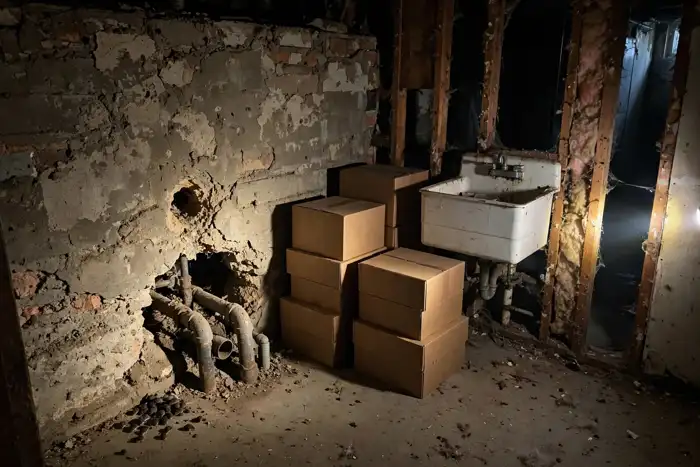
Rodents in your Kent home
Kent's rodent calls divide into three. Norway rats are heavy burrowers of older housing, outbuildings and the lower ground near the river, entering at foundations and living low. House mice are the fall invaders, passing pencil-width gaps at pipes and doors and then traveling the shared walls and chases of duplexes and converted houses all winter. Voles stay in the yard, tunneling under snow and leaving a trail system at melt, while moles ridge the same lawns after insects.
The setting Kent adds is conversion. Houses divided and re-divided over the years carry layers of old utility penetrations, sealed-off chases and shared voids, and a rental can go a full lease without anyone inspecting the basement the mice entered through. Bait in that setting kills some rodents — often inside a wall — and leaves every door open. Identification, then sealing, then clearing is the order that ends it.
Norway rats in older housing and low ground
A Norway rat digs to enter. Burrows run along foundation walls, under slabs and beside drains, and the rats come in where a water or drain line passes an older wall or where mortar has given way. The evidence sits low: droppings and gnawing in the basement, greasy rub marks along nightly runs, burrow mouths at the wall outside. The work is burrow-aware foundation sealing, trapping on the runs, and clearing the trash, feed and clutter that hold the group near the building.
House mice, shared walls and the fall invasion
The Kent mouse season opens at first frost. A mouse needs a gap the width of a pencil — at a pipe, a meter line, a worn door sweep, a cracked basement window — and a converted house offers more of those than most. Once inside, mice follow plumbing and wiring between units as readily as within one, so a duplex mouse problem belongs to the building, not to whichever tenant reported it. Fall sealing, before the push, prevents more mouse work than any winter trapping campaign.
Voles and moles in Kent yards
Some spring calls concern the lawn alone. Voles feed and tunnel beneath the snowpack, and thaw exposes their winding surface trails, clipped grass and bark gnawed at the base of young shrubs. Moles — insect hunters, not rodents — raise ridges and mounds pursuing worms and grubs. The plans are yard-level and species-specific, so the crew identifies the damage pattern before quoting a remedy for either.
Why bait alone fails a converted house
Poison closes no entries, and a divided older house has many. Replacements enter as residents die, and the dead commonly die where they live — inside a shared wall, under a floor, deep in insulation — trading a mouse problem for an odor problem across two units. Sealing the envelope first and trapping the animals already inside avoids both failures at once.
How exclusion-first control works in Kent
The inspection covers the whole envelope in the local order: foundation, basement and utility entries for rats and mice, then the garage and roofline. Each entry is closed in metal — flashing, hardware cloth, steel mesh and mortar-set repairs rodents cannot gnaw — traps clear the interior population, and a follow-up confirms activity has stopped across the building. Droppings cleanup and a candid list of storage and trash changes complete the job, which a landlord can schedule around turnover.
Common rodent questions in Kent
Droppings in my Kent basement — rats or mice?+
Why do mice get into my Kent rental every fall?+
What left the trails across my lawn after the snow melted?+
Will poison solve a rat problem in an older Kent house?+
How much does rodent control cost in Kent?+
Other Kent problems that come with rodents
Our wildlife crew handles these closely related problems — the ones that most often turn up with a rodent issue.
Got more than rodents in Kent?
A Kent utility entry that admits mice is an opening other ground-level wildlife will probe — sealing serves the whole building. See everything we handle locally on the Kent wildlife removal hub, or jump to Ohio wildlife removal.
Serving all of Portage County
Kent is one part of Portage County. See wildlife removal in Portage County, OH for the county-wide picture — the animals we get called about most, and the other towns we cover.
One call to your Kent rodent crew
In a duplex or converted house, rodents travel shared walls and chases, so one untreated side keeps the whole building in the problem. Call us and tell us about the job — we will confirm the local crew for your county before any work starts.
- Local to Portage County. ODNR-compliant handling — call to ask about licensing and insurance.
- Seal, then clear. Every foundation and roofline entry closed in metal, then trapping for the rodents already inside — with both sides of a shared wall addressed.
- Done right. Removal, exclusion and cleanup.