Wildlife Removal in Martin County, FL
Stuart sits where two river forks meet on the way to the sea, and the county runs from suburban Palm City to the working waterfront at Port Salerno and rural Indiantown in the west. Call us and tell us about the job — we will confirm the local crew for Martin County before any work starts.
Why Martin County homes see the wildlife they do
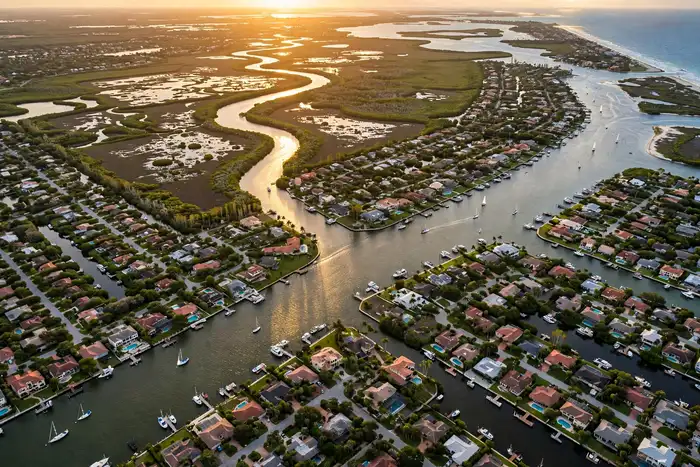
Stuart calls itself the Sailfish Capital of the World. The North Fork and South Fork of the St. Lucie River meet at Stuart and run out through the St. Lucie Inlet, so the county seat is built around a river mouth of marinas, docks and seawalls. Jensen Beach, to the north, is a pineapple-era centre gone beach town, while Port Salerno keeps a working waterfront on Manatee Pocket, where the fishing fleet sets the tone.
Martin is also the slow-growth county on purpose: growth of under five percent since 2020 reflects decades of growth management and a height limit on Hutchinson Island that keeps the barrier island low. Palm City, west of Stuart across the river, is the county's largest community of suburban single-family streets. Hobe Sound is the quieter southern corridor, and far west, Indiantown is another Martin entirely: cattle, citrus and equestrian ground in the only one of these counties running from the Atlantic to Lake Okeechobee.
Wildlife we remove in Martin County
River forks, canals and seawalls shape the Martin County list, led by one animal that is only reported further north. These are the regulars.
🦎 Iguanas
Martin is the one Treasure Coast county where green iguanas are established, and the damage here is structural. Iguanas burrow into canal banks, dock edges and the soil behind seawalls, undermining the wall until sections lean or fail, and they foul docks and pool decks. Cold snaps near fifty degrees stun them, but the population returns each spring. Iguanas are nonnative and are never relocated or released; the work is removal and hardening the banks they used.
🐀 Roof rats
The roof rat — fruit rat or palm rat locally — is built for riverfront Martin County. Palms overhanging Palm City and Stuart roofs give them a bridge, canal banks a corridor, and soffit and tile-roof gaps the attic. A rat heard overhead is following a route from the landscaping, so the inspection walks the palms and roofline together.
🦝 Raccoons
Raccoons forage the river forks and canal banks and den close to the water: attics in Sewall's Point and Palm City homes, chimneys in older Stuart houses, boat sheds and dock structures along the pockets. A spring litter changes the handling — every kit is located before an opening closes.
🦇 Bats
Barrel-tile roofs are Martin County bat housing. Brazilian free-tailed bats and evening bats roost in tile voids and under ridge caps of Stuart and Palm City homes; droppings below the eave are the first evidence. Exclusion is the only method, and it is seasonal: fitted from August 15 to April 15 only, never during the mid-April to mid-August maternity season, when young bats cannot yet fly.
🦔 Armadillos
Armadillos root through irrigated lawns in Hobe Sound golf communities and Palm City subdivisions and dig burrows under slabs, lanai edges and pool equipment pads; out in Indiantown they work ranch ground at a larger scale. Armadillos are nonnative and are never relocated; removal, then filling and screening burrow entries, ends the digging.
🐾 Opossums
Opossums are the night shift along Martin County's water: working canal banks, docks and fallen fruit, then sheltering by day under Port Salerno cottages, in crawlspaces and beneath decks in Stuart and Jensen Beach. Getting one out and screening the low gaps is the lasting answer.
🕊️ Dead animals
In older Stuart housing and the cottages around the working waterfront, a dead animal usually means a wall void, a chimney or a crawlspace corner nobody has opened in years. In seasonal Jensen Beach homes it is more often an animal that died in a closed house, discovered on the owners' return. The job is the same: trace it, remove it, disinfect the spot and seal the opening.
Wildlife removal by city in Martin County
City-level guides for the places we get called about most in this county.
Common wildlife removal questions in Martin County
Who do I call for wildlife removal in Martin County?+
Iguanas are digging behind my seawall. Can they just be moved somewhere else?+
We found bats in our tile roof in June. Why does the timing matter?+
How much does wildlife removal cost in Martin County?+
One call to your Martin County wildlife crew
Whether it's squirrels in an older in-town attic or an iguana burrowing under a seawall, the fastest fix is our wildlife crew, who knows Martin County wildlife. Call us and tell us about the job — we will confirm the local crew for your county before any work starts.
- Local to Martin County. FWC-compliant handling — call to ask about licensing and insurance.
- One company, one call. Call us and tell us about the job.
- Done right. Removal, exclusion and cleanup.